A Design Review: Stitching the Spooky Registered Nurse
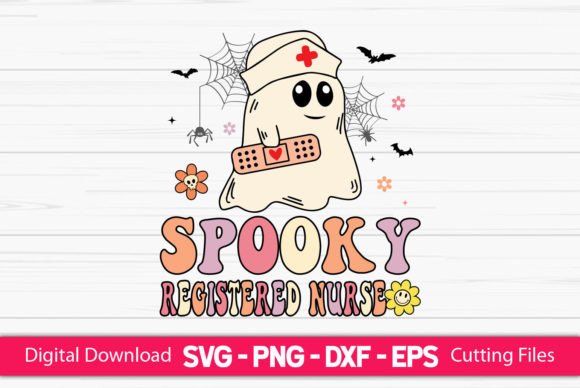
When a new digital file lands on my desktop, I don't just look at the preview. I think about how it will live in thread and fabric. Today, I’m considering the Spooky Registered Nurse design for a real embroidery project. Let’s walk through the practical judgment of this graphic from an embroiderer’s perspective.
The Immediate Mood & Where It Belongs
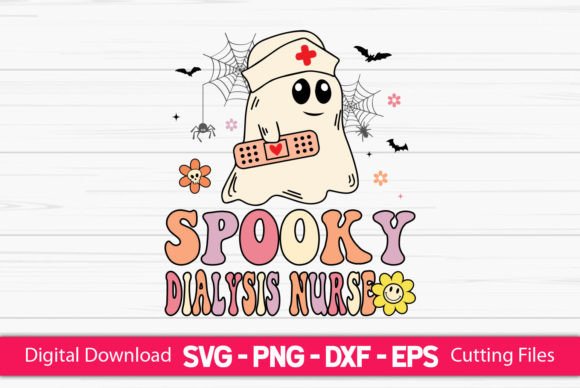
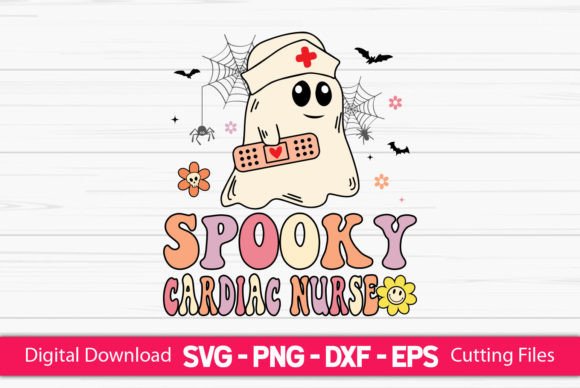
First impression? It’s playful, slightly mischievous, and perfectly themed. This isn’t a generic scary graphic; it’s a character with personality. That blend of professional iconography with a Halloween twist creates a specific mood—it’s fun rather than frightening. This tells me it belongs on projects meant for celebration, like a custom sweatshirt for a nurse’s Halloween party, a quirky apron for a haunted house kitchen, or a tote bag for a crafty medical professional. Its visual personality leans toward giftable and conversational. You’re not just stitching a logo; you’re stitching a story.
Natural Project Fit: The Embroidered Tote Scenario
Picture this: I’m preparing a custom embroidered tote for a small shop’s Halloween merchandise line. The Spooky Registered Nurse design comes to mind. I imagine it centered on a sturdy canvas bag. The shape and layout suggest it would balance well, not feeling too tall or too wide. The detail level, from the likely nurse’s cap to any playful elements, needs to translate into clean stitches. On a tote, which gets handled and seen at a distance, the design needs to be recognizable and robust. This graphic feels like it would meet that need, becoming a standout handmade product at a craft fair.
Performance Across Real Embroidery Situations
How does this design perform when the needle starts moving? Let’s consider its application across the typical spectrum.
For custom apparel like t-shirts and sweatshirts, the theme is a winner. On a black crewneck sweatshirt, with contrasting thread, it would pop as a great holiday embroidery. For baby clothes? Perhaps a smaller version on a baby bib for a nurse mom—cute, but scale is critical. As an embroidered patch, it could be fantastic, allowing for intricate satin stitch borders and fill stitch details, later applied to caps or bags.
Think about home goods: a pillow cover for a Halloween-loving nurse’s lounge, or a kitchen towel for that October kitchen vibe. The design feels adaptable. For small business merchandise, an Etsy seller could use this to create a series of themed items—aprons, pillow covers, tea towels—creating strong brand consistency around a clever concept. In commercial embroidery, a uniform shop might use it for seasonal staff apparel, though licensing must be confirmed.
Where Caution is Needed: The Details Matter
Every design has its sensitive points. With a character-based graphic like this, I’d be thinking carefully about a few scenarios.
- Small hoop sizes: If any lettering or very fine details are present, stitching them on a small hoop, like for a baby item, could lose clarity. Test first.
- Textured or stretchy fabric: On a slub knit or a stretchy cap, small elements might distort. Proper stabilizer is non-negotiable.
- Dark fabric: While it’s a spooky theme, using light threads on dark backgrounds is ideal. Check the preview in black and white mockups to ensure contrast.
- Curved surfaces: Embroidering this on a baseball cap requires checking the design’s aspect ratio—it shouldn’t be too elongated to fit the curved panel gracefully.
- Products needing frequent washing: On a kitchen towel or adult apparel, dense stitch areas should be secure. Review stitch density in the file to avoid overly thick fills that could wear.
The Impact on Value, Trust, and Presentation
Using a well-conceived design like this affects the final product far beyond the stitches. For the maker, it boosts confidence. You’re working with a graphic that has inherent appeal, which translates into stitching clarity and a polished handmade presentation. For the customer receiving a personalized gift, it feels thoughtful and specialized, increasing its giftability and recognition.
For the Etsy seller or creative entrepreneur, it contributes to professionalism. A clean, themed embroidered item using this design looks intentional in product photos and printable mockups, driving buyer engagement. It signals that you understand your niche—whether it’s Halloween, nursing appreciation, or quirky humor. That builds customer trust. It’s not a random graphic; it’s a design asset with a clear purpose.
Practical Designer Notes Before You Hoop
Before I commit any project to the machine, my routine involves a few concrete steps, especially with a purchased digital file.
- Test on scrap fabric first. Use the same material and stabilizer as your final project. See how the details emerge.
- Check thread color contrast against your chosen fabric. Don’t assume the digital preview colors are your final thread palette.
- Review stitch density if the file provides that information. High density on lightweight fabrics can cause puckering.
- Confirm the effective hoop size needed. The design dimensions will dictate this, but always ensure your machine can accommodate it comfortably for your project.
- Inspect small details like corners of a nurse’s cap or tiny text. Will they be clear after stitching, or do they need slight adjustment?
- Always confirm licensing before selling finished items or digital products. The product description mentions it’s a digital file for cutting machines, but for commercial embroidery projects, verify the terms.
Remember, a great embroidery project starts with a thoughtful evaluation of the embroidery file itself. The Spooky Registered Nurse design, with its strong theme and character, offers a solid foundation for a range of fun, seasonal, and personalized items. By approaching it with these practical considerations, you can transform a digital graphic into a finished product that truly resonates—whether it’s for your next hobby creation or your small shop’s bestselling Halloween line.