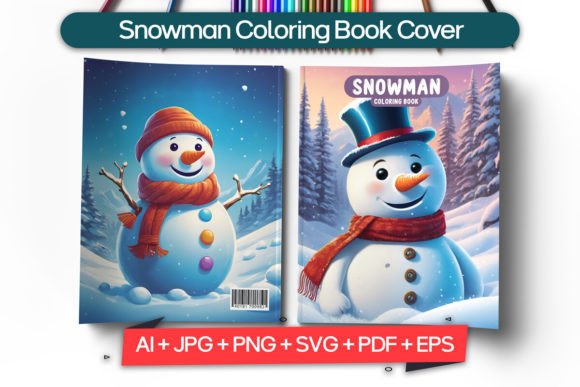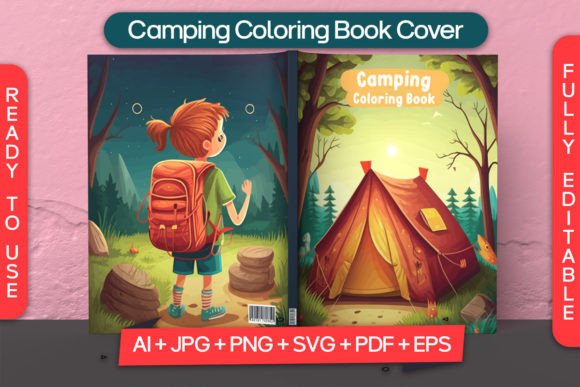
Camping Coloring Book Cover: A Graphic Asset for Editorial Design
As someone who designs blogs and publishes digital content daily, my first look at a graphic asset is always pragmatic. I’m asking: can this elevate my work? When reviewing the Camping Coloring Book Cover, the immediate impression is one of accessible creativity. It isn’t overly corporate or sterile; it feels playful, seasonal, and artistic. This establishes an editorial mood of relaxed inspiration, perfect for content targeting hobbyists, families, educators, or the outdoor lifestyle niche. The style suggests a handcrafted, engaging touch, which builds a warmer, more trustworthy connection with readers than a generic stock photo might.
The Visual Communication Value for Bloggers and Publishers
Visual communication on a website isn't just decoration; it’s a signal of quality and intent. This graphic design asset communicates a clear topic—camping and creativity—with an illustrative style that feels both decorative and clean. For a blogger in the outdoor, parenting, or educational space, using this as a foundational visual instantly creates better category recognition. A visitor landing on a page adorned with this graphic understands the content’s theme before reading a single word. This clarity in visual hierarchy is crucial for reducing bounce rates and improving user experience.
Real Publishing Workflow Applications
Let’s walk through a real scenario. Imagine you’re preparing a series of blog posts on “Family Camping Activities.” Your workflow involves creating a featured image for the article, a taller graphic for a Pinterest pin, a banner for your email newsletter, and a thumbnail for a downloadable “Camping Fun” printable guide. The Camping Coloring Book Cover can serve as the core visual for all these elements.
- Blog Featured Images & Article Headers: Sized correctly, it becomes an immediate visual anchor, making your article look polished and purposefully designed.
- Pinterest Graphics & Social Media Previews: Its illustrative nature is inherently eye-catching in crowded social feeds, offering stronger click-through potential.
- Newsletter Graphics & Website Banners: It can break up text-heavy emails or site sections, adding a consistent visual identity across your channels.
- Downloadable Resources & Lead Magnets: This is where it shines. Use it as the cover for a digital guide, a worksheet, or a printable coloring book itself—a perfect content upgrade or lead magnet that feels like a complete, professional digital product.
- Affiliate Content Visuals: If you’re promoting camping gear or books, this design asset creates cohesive, trustworthy content marketing visuals that don’t look like blatant ads.
Supporting Content Performance and Reader Trust
A stronger first impression directly impacts performance. A website or blog that uses cohesive, appealing blog graphics like this one signals editorial care. Readers subconsciously assign more authority and trust to content that looks professionally presented. This asset supports more consistent branding across a niche site, making every piece of content—from blog posts to digital downloads—feel part of a unified library. For small business branding or a creative entrepreneur, this consistency is a low-effort way to appear established and reliable.
Where This Design Asset Works Best
Focus your use on areas where mood and theme need to be established quickly.
- Hero Images for landing pages or category archives.
- Article Thumbnails in grid-based blog layouts.
- Pinterest Pins for driving traffic.
- Editorial Accents within longer posts or digital guides.
- Content Upgrades and downloadable resource covers.
- Newsletter Headers for thematic campaign emails.
- Social Media Previews for link posts.
Points of Caution in the Publishing Workflow
While versatile, every asset has optimal contexts. The illustrative, detailed nature of a Camping Coloring Book Cover means it should be used carefully in certain situations.
- Small Mobile Thumbnails: Fine details may become lost, reducing impact.
- Text-Heavy Blog Images: If overlaying lengthy text, ensure the background areas have sufficient low-contrast space.
- Busy Layouts: Pair it with clean, simple surrounding elements to avoid visual clutter.
- Serious Professional Niches: It may feel too playful for corporate, financial, or highly technical content.
- Very Minimal Visual Systems: If your entire site is ultra-modern and minimalist, this decorative asset might clash.
Practical Publisher Notes for Implementation
Before hitting publish, a few hands-on tests are essential. These steps ensure the asset performs in real-world conditions.
First, test it on desktop and mobile screens. See how it scales. Check how it looks as a thumbnail in your blog’s sidebar or recent posts grid. Crucially, preview it inside a real blog layout—paste it into a draft post with your typical headline and body text style.
Experiment with typography. Try it with headline text overlaid. Check contrast and readability by placing it beside different font styles: a clean sans serif, a formal serif, a playful script font, or a bold display font. This tells you which combinations work for your brand.
For web performance, review the file size. Always compress images properly for faster loading. Most importantly, if you’re using this on monetized websites, affiliate pages, or paid content products, confirm commercial licensing before use. Assets from creative marketplaces often come with commercial licenses, but verifying this is a non-negotiable step for ethical and legal commercial design.
The Ultimate Value for Content Creators
The description mentions it’s for authors, writers, and cover designers looking for unique book covers. From a publisher’s view, this translates to a highly customizable starting point. It’s more than a static image; it’s a template design that allows you to craft your own perfect cover or graphic in no time. This flexibility is its greatest strength. You can adapt it, color it, and integrate it into your Canva templates or editorial design workflow to produce a suite of professional-looking content pages.
In essence, the Camping Coloring Book Cover isn’t just a piece of graphics or a coloring pages asset. It’s a versatile tool for visual communication that helps bloggers, website owners, and digital marketers build a more engaging, trustworthy, and visually cohesive online presence. By integrating it thoughtfully into your publishing workflow—from blog graphics to digital guides—you elevate not just a single post, but the perceived quality of your entire content library.