Candy Cane in Santa Sock: A Sweet Holiday Embroidery Option
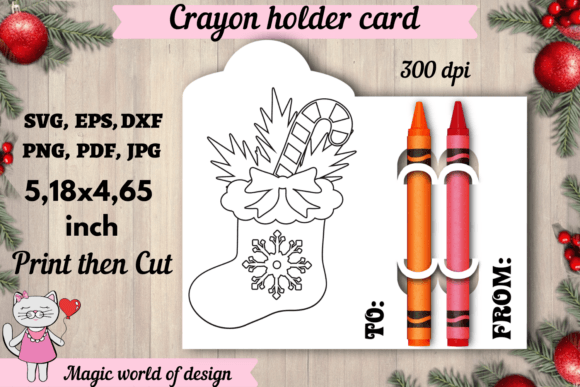
When an embroidery design file lands on my desktop, the first thing I do is imagine it stitched out. I look past the digital preview and picture it on fabric, in a hoop, with thread. That’s my process with the Candy Cane in Santa Sock Coloring Card. At roughly 5.18 by 4.65 inches, this graphics file presents a charming, mid-sized holiday motif that begs to be translated from a coloring page into a textured, tactile embroidery project.
The Immediate Mood and Practical Personality
This design has a playful, nostalgic feel. The candy cane tucked into a Santa sock creates a layered holiday narrative that’s more about cozy celebration than bold festivity. The shapes are clear and well-defined, which is excellent news for us embroiderers. That distinct candy cane twist and the sock’s cuff detail mean the design won’t get muddled when converting lines to stitches. It doesn’t try to be overly intricate, which makes it a reliable candidate for a smooth stitch-out, especially on projects where clarity is key—think custom baby items or gifts meant to be cherished.
A Natural Fit for Holiday-Themed Products
I immediately pictured this on a holiday kitchen towel or a cozy pillow cover. The dimensions suggest it would be a central feature, not a tiny accent. For a small business owner stocking an Etsy shop with seasonal items, this design could be the heart of a lovely embroidered patch appliquéd onto a tote bag. Its theme is specific—it’s clearly a baby shower or holiday treat reference—but that specificity is a strength. It tells a story, which elevates a simple sweatshirt or baby blanket into a personalized gift. I can see it working beautifully on a heirloom-quality baby’s Christmas stocking, or as a sweet, subdued decoration on a festive apron.
Performance in Real Embroidery Situations
Let’s talk application. On custom apparel like sweatshirts, the scale is good; it’s substantial enough to be noticed but not so large it dominates the entire garment. On a tote bag, it would be a cheerful, focal point. The nature of the design, with its contained elements, suggests manageable stitch density. Areas like the candy cane stripes would likely use a satin stitch or a clever fill stitch, while the sock outline could be a clean running stitch. This balance is important for preventing fabric pull on thinner materials like tees.
However, its success hinges on technique. On darker fabrics, you’d need to plan your thread color contrast carefully to maintain that festive red-and-white personality. Because it’s categorized under Coloring Pages & Graphics, remember this is a starting point. You, as the embroidery designer, will decide the stitch types and thread palette. This flexibility is great for brand consistency—you can match your shop’s usual color scheme—but it requires you to test.
Where This Design Should Be Used with Care
Embroidery is always about context. The Candy Cane in Santa Sock has some smaller details, like the sock’s cuff and the candy cane’s curved tip. On very textured fabrics, like a thick sweater, those details might lose definition. On stretchy fabric, a robust stabilizer is non-negotiable. I would be cautious about putting it on a curved surface like a cap unless you’re confident in your hooping and have tested the file’s adaptation to that shape. Also, if you’re considering tiny hoop sizes below, say, 4x4 inches, you might lose the design’s friendly scale and some of its charm. It’s best presented in a size that lets its character shine.
Impact on Your Business and Your Client’s Experience
From a commercial perspective, this design offers solid visual appeal. It’s recognizably holiday-themed without being generic, which can help a handmade product stand out at a craft fair. Its sweetness translates into giftability. A customer looking for a unique baby shower gift or a personal holiday keepsake would likely be drawn to an item featuring this motif. For you, the maker, it contributes to a professional presentation when stitched cleanly. It feels complete and intentional, which builds customer trust in your craftsmanship.
It’s also versatile enough for different product lines. The same embroidery file could be used to create a set of coordinated items—a pillow cover, a tea towel, and a patch—for a boutique’s holiday collection. That kind of cohesion is valuable for small shop merchandise.
Practical Notes Before You Hit "Start" on Your Machine
My standard advice applies, but it’s especially relevant here: test on scrap fabric first. Use a fabric similar to your final project. Check how those lines translate. Does the candy cane’s twist hold its shape? Are the sock details clear? Experiment with thread colors. A classic red-and-white scheme is obvious, but a soft pastel version could make it perfect for a baby item. Review the file’s requirements yourself—confirm the effective hoop size and check any licensing terms if you’re selling the finished products commercially.
Also, consider the final use. If the item, like a baby blanket or kitchen towel, will need frequent washing, plan your stitches and stabilizer to ensure durability. For digital product sellers creating printable mockups or using this as a design asset, the clean lines are a benefit. But for physical embroidery projects, the real test is in the stitching.
Final Impressions for the Working Designer
The Candy Cane in Santa Sock Coloring Card is a graphics file with a lot of potential for holiday and baby-themed embroidery. It’s not the most complex design, but that’s often a virtue in machine embroidery, where simplicity can lead to stunning, reliable results. It creates a mood of gentle celebration. For an embroidery designer, it serves as a strong foundational element. You can build a whole finished product around it, trusting that its friendly personality will come through in the stitches. Just give it the careful preparation any good embroidery project deserves—proper stabilizer, thoughtful thread selection, and a test run. When done right, it will turn a coloring page concept into a textured, heartfelt piece that feels genuinely handmade.