A Designer's Take on the 'One Spooky Lil Brother' Embroidery File
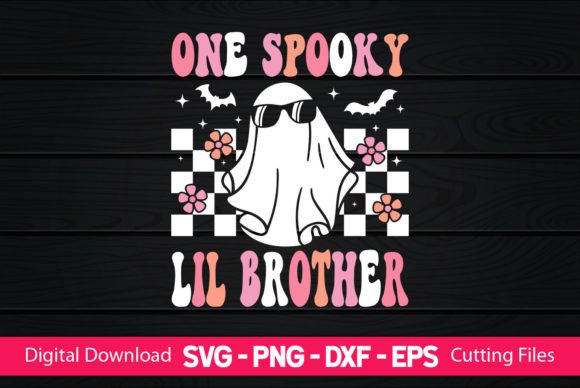
When a new design file lands on my desk, the first thing I do is picture it stitched out. Not as a flat graphic on a screen, but as threads on fabric. I look at 'One Spooky Lil Brother' and immediately see it on a cozy, fleece-lined sweatshirt. The phrase has that perfect balance of playful and slightly eerie, making it an ideal candidate for personalized holiday gifts or boutique merchandise aimed at a fun, slightly macabre audience.
The Visual Personality and Project Fit
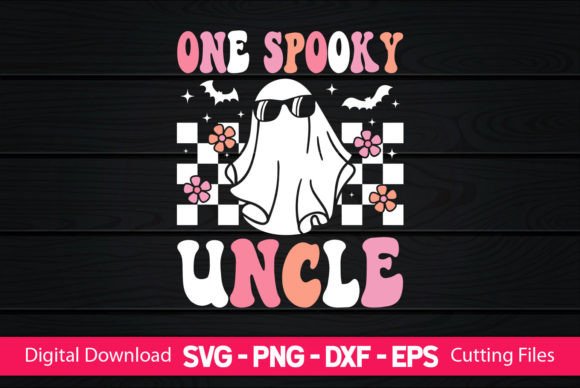
The mood here is lighthearted spookiness. It’s not intimidating horror; it’s a friendly, quirky Halloween vibe. This makes it incredibly versatile for craft business items. Imagine this design embroidered on a child’s trick-or-treat bag, a kitchen towel for a Halloween-themed home, or as a small, ironic patch on a denim jacket. The layout, assuming it’s a single line of text-based art, suggests a straightforward embroidery path, which is excellent for makers who need efficiency without sacrificing character.
For visual appeal and customer trust, a clean stitch-out of this phrase elevates a simple product. A neatly embroidered 'One Spooky Lil Brother' on a high-quality cotton tote instantly feels more valuable than a printed one. It speaks to handmade care and attention, which resonates deeply with buyers looking for unique, personalized gifts.
Where This Design Thrives in Real Projects
Let’s talk real-life embroidery situations. I’m picturing a custom apparel project: a black sweatshirt with this phrase in a contrasting orange or white thread. The bold statement would pop beautifully. For baby clothes—perhaps a little onesie for a Halloween baby—it would be adorable, but scale is key. It would need to be sized appropriately to fit a smaller hoop area without losing clarity.
For small business merchandise, this is a strong candidate for limited-run holiday items. Etsy sellers could use it on pillow covers, aprons, or caps for a cohesive seasonal collection. As a digital embroidery file, its value for commercial embroidery projects hinges on clean, well-defined paths that translate reliably to satin stitches or fill stitches on the machine.
Practical Considerations Before Hooping Up
Here’s where the practical designer’s mind kicks in. You need to test this design on scrap fabric first. Always. Use the same fabric and stabilizer you intend for the final project. This is crucial for checking stitch density, especially on any decorative accents or corners within the lettering. Dense stitch areas on thin or stretchy fabric can lead to puckering and a poor finished product.
Thread color contrast is everything. On dark fabric backgrounds, like that classic black sweatshirt, a bright, high-contrast thread is essential for stitching clarity. Conversely, on light fabrics, a darker thread will give that bold, spooky look. I also advise checking it in simple black and white mockups to understand its form stripped of color assumptions.
Applications That Require Extra Care
Some products need a thoughtful approach. Embroidering on curved surfaces like caps requires adjusting the design size and possibly simplifying very tiny details to ensure they stitch cleanly on a challenging base. Similarly, textured fabrics like towels might obscure smaller elements.
For products that need frequent washing—baby items, kitchen linens, apparel—a robust stabilizer and quality threads are non-negotiable to maintain the design’s integrity and your brand’s reputation for durability. Also, small hoop sizes might force you to simplify; if the design has intricate details, scaling down too much could make them vanish into a blur of threads.
Turning a Digital File into a Profitable Finished Product
For creative entrepreneurs and digital product sellers, 'One Spooky Lil Brother' represents a design asset. Its strength is in its clear theme and likely straightforward construction, making it a reliable choice for creating printable mockups or previews for your shop. However, the absolute first step is to confirm the licensing. Before selling any finished items or commercial embroidery projects using this file, you must understand the terms. The product description mentions it’s a digital file for cutting machines, so clarify if the license extends to selling physically embroidered goods.
How does this affect brand consistency? If your small shop specializes in witty, holiday-themed goods, this fits seamlessly. It enhances giftability and recognition for a niche audience. For apparel decorators, it offers a quick-to-produce, high-impact option for seasonal promotions or craft fair products.
Final Designer Notes for a Smooth Stitch-Out
- Review the file in your software at the intended final size. Inspect any small details or lettering for potential stitching issues.
- Match your stabilizer to your fabric. A woven cotton for a tote bag needs a different approach than a stretchy knit for a sweatshirt.
- Consider the product’s end-use. A decorative pillow cover can handle more density than a lightweight t-shirt.
- For maximum professionalism, always run a test stitch. It saves time, materials, and customer disappointment.
- Let the design’s playful, spooky personality guide your product choices. It naturally belongs on holiday gifts, boutique novelties, and personalized items with a sense of fun.
In essence, 'One Spooky Lil Brother' feels like a design with straightforward charm. Its potential in the Crafts and Graphics world is rooted in its clear theme and the emotional reaction it prompts—a smile, a chuckle, a nod to the season. By handling the practical embroidery considerations with care, you can transform this digital file into a standout handmade product that genuinely engages buyers and enhances your portfolio of work.