One Spooky Uncle: A Designer's Look at a Quirky Embroidery Asset
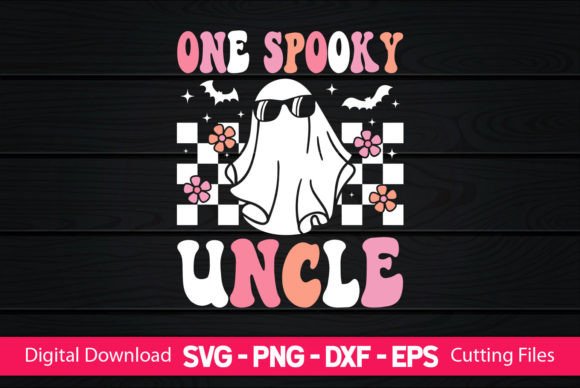
When a new design file lands in my library, my first question isn't about format compatibility; it's about character. What story does this design tell on fabric? Opening One Spooky Uncle, that story is immediately clear: it's playful, slightly mischievous, and built for a very specific, affectionate mood. This isn't a generic Halloween ghost. It's an uncle, a family figure, rendered with a spooky charm that feels more like a wink than a fright. That personality is its greatest strength.
The Mood It Stitches Into Your Project
The layout and detail level here suggest a design meant for a bold, clean stitch-out. The shapes are likely well-defined, making it a candidate for crisp satin stitch borders or a solid fill stitch for the central character. My first mental mockup places it on the back of a heavyweight cotton sweatshirt or the front of a canvas tote bag. It feels like it belongs on something sturdy, something that can handle a statement piece. The theme isn't overtly scary; it's "spooky" in a family-friendly way. This is perfect for personalized gifts—think a tote for a uncle who loves Halloween, or a throw pillow for a quirky living room. It creates a connection, not just a decoration.
Where This Design Thrives in Real Embroidery
In practical terms, I'd lean towards projects where the design can be the star. Custom apparel like sweatshirts and t-shirts are obvious winners, provided the fabric is stable enough. For a craft business or Etsy seller, this could be a great centerpiece for a limited-run holiday collection. Embroidered onto a dark denim apron for a boutique coffee shop? It would pop beautifully. As a finished patch, applied to a backpack or cap, it would carry that handmade, exclusive feel that buyers love. The visual personality is strong enough to elevate simple products, adding value through recognizable, thematic charm.
I also see potential beyond wearables. For nursery decor if the family has a playful, non-traditional style, or on a kitchen towel as a fun seasonal accent. Its appeal is in its specificity—"One Spooky Uncle" isn't trying to be everything to everyone, which makes it a more powerful design asset for targeted projects. In commercial embroidery, for a small shop selling handmade goods, it could define a whole product line around quirky family themes, aiding brand consistency.
Scenarios for Success and Caution
Imagine you're preparing a custom embroidered tote as a holiday gift. You've chosen a sturdy, natural canvas. One Spooky Uncle, stitched in a rich black or charcoal with perhaps a single accent color for a detail, would look confident and professional. The buyer engagement comes from that personal touch; someone receiving this feels it was chosen for them, not just mass-produced.
However, this kind of design requires careful planning. If the file has intricate details or small lettering—which the title suggests it might—you must be wary. Tiny elements can get lost in stitch density, especially on textured fabrics like fleece or on stretchy fabrics without proper stabilizer. Embroidery on curved surfaces like caps demands a test run; those detailed corners might need adjustment. Always, always stitch it out on scrap fabric first. This isn't just about testing the machine embroidery file; it's about seeing how the thread colors interact with your final fabric background. Does it need more contrast on dark fabric? Would a lighter fill stitch pattern work better?
Practical Notes for the Working Designer
My process for any design like this is methodical. First, I consider hoop size. This likely needs a medium to large hoop to preserve clarity. I check stitch density in my software preview—too dense on a thin t-shirt could lead to puckering. Then, I think about application. Is this for a personal gift or a commercial embroidery project I'll sell repeatedly? The description notes it's a digital file for cutting machines, but for embroidery, you'd be converting or using it as a guide for applique. That means confirming licensing before selling finished items. Can you use it commercially? That's a must-check detail.
For presentation, especially for an Etsy seller creating printable mockups, test the design in black and white. How does it look as a graphic? Its strength as a Crafts and Graphics asset is in its clear shape. For embroidery, that translates to stitching clarity. Using proper stabilizer is non-negotiable here to keep that shape sharp after washing.
Where Its Use Requires Extra Care
I'd avoid very small hoop sizes unless the design is simplified. Layered garments with seams might distort it. Products needing frequent washing, like baby clothes—though a fun idea for a "spooky" baby outfit—would need a robust stitch execution to endure. The key is to match the design's bold personality with a bold, stable canvas. It's not a delicate floral; it's a statement. Treat it like one.
Ultimately, One Spooky Uncle feels like a design that bridges hobbyist fun and professional product potential. For a creative entrepreneur, it offers a ready-made theme that can be built into a whole line—aprons, pillow covers, tea towels—all carrying that same witty, familial spookiness. It boosts giftability and recognition because it's memorable. The final embroidered product, if executed with attention to fabric and stitch quality, will look intentionally handmade, not homemade, building customer trust. It's a reminder that in embroidery, the best designs are those that come with a built-in story, waiting to be stitched into someone's day.