A Graphic Design Gem for Educational Publishing
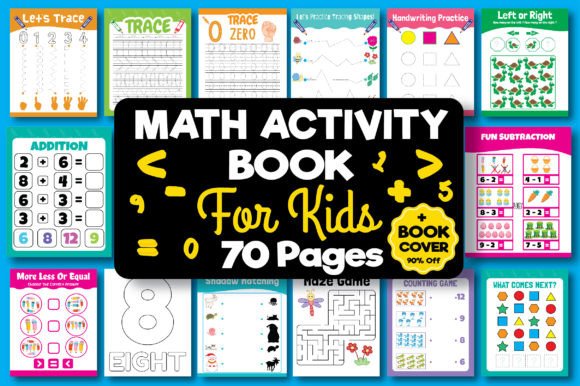
As someone who designs blogs and publishes digital content daily, my first instinct with any graphic asset is to judge its editorial potential. When I opened the MATH Activity BOOK for KIDS and GAMES, the immediate impression was one of vibrant, structured playfulness. This isn't just a collection of pages; it's a visual communication tool that broadcasts education through fun. The mood it creates is distinctly playful, educational, and modern, perfectly supporting content niches focused on early learning, parenting resources, homeschool activities, and creative teaching materials.
Why This Design Asset Wins for Editorial Presentation
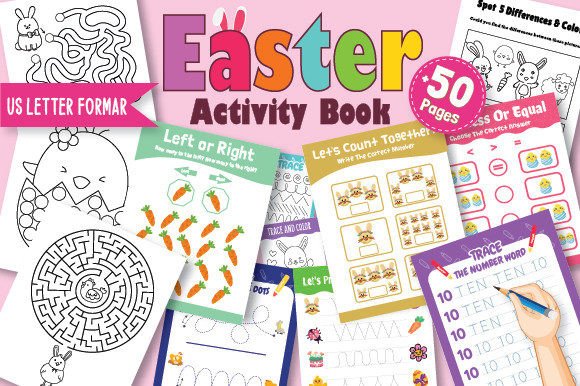
Polished website content hinges on visuals that build trust and clarity. This 70-page activity book, filled with tracing numbers and engaging games, provides a coherent visual identity for publishers. The design feels intentionally crafted, not generic. For a blogger writing about kindergarten readiness or a newsletter creator sharing preschool resources, using elements from this asset immediately elevates the page. It signals to readers that the content is professional, helpful, and visually considered—key factors in establishing authority and improving dwell time.
Real-World Publishing Applications: From Blogs to Lead Magnets
In a real publishing workflow, this graphic design asset is incredibly versatile. Imagine preparing a blog post titled "5 Fun Ways to Introduce Numbers." The book's cover or interior page designs can be cropped and styled into a powerful featured image or article header, creating a clear visual link between your editorial content and the product. For Pinterest graphics, these bright, number-focused layouts are gold—they're inherently clickable and communicate the topic instantly.
Beyond blog graphics, this asset shines in deeper content marketing strategies. You can use sections to create:
- Digital guides or eBook covers for downloadable parenting resources.
- Lead magnets like promotional worksheets or activity samplers to grow your email list.
- Newsletter headers or banners for a series on educational games.
- Category thumbnails for a website’s "Teaching Materials" or "Kids Activities" section.
- Social media previews and digital ad visuals that pop on crowded feeds.
For affiliate marketers promoting educational products, integrating these designs into review posts or comparison lists makes the content feel more tangible and trusted than using plain text links.
Boosting Content Performance with Professional Visuals
Using a cohesive asset like this activity book directly impacts content performance. A stronger first impression on your homepage or blog post can reduce bounce rates. The clear visual hierarchy of the designs—with numbers and games as focal points—helps readers quickly understand the offer, improving click-through potential for calls-to-action. For small business branding, consistently using elements from this book across your website, printables, and social media graphics creates a more professional-looking content ecosystem, which fosters reader trust and brand recognition.
Strategic Placement: Where This Asset Works Best
To maximize its impact, focus on high-visibility, content-centric areas:
- Hero images for landing pages about kids' learning resources.
- Article thumbnails in blog archives or related post sections.
- Pinterest pins designed for high engagement in educational boards.
- Content upgrades and downloadable resources offered within articles.
- Newsletter headers that set a fun, informative tone.
These are contexts where the asset’s playful educational style is both appropriate and advantageous.
Editorial Caution: Contexts That Require Adjustment
While versatile, this design asset should be used thoughtfully in certain publishing scenarios. Its bright, activity-driven style might not align with serious professional niches or corporate content sites needing a minimalist aesthetic. When using it for small mobile thumbnails, ensure key elements (like the number focus) remain clear and aren’t lost. Avoid placing it on already busy layouts or low-contrast backgrounds where its details could become visually noisy. For text-heavy blog images, overlay headlines carefully, choosing clean, bold sans-serif fonts to maintain readability against the playful graphics.
Practical Publisher Notes for Implementation
Before rolling this asset out across your platforms, run these real-world tests:
- Preview it in your actual blog layout—see how it interacts with your sidebar, header, and footer.
- Test it on desktop and mobile screens, checking how it scales as a thumbnail in your recent posts widget.
- Place a headline over it using different font styles (serif, sans-serif, a playful script) to assess contrast and readability.
- Check the file size of any extracted images; compress them properly for web performance to keep page speed high.
- Critically, confirm the commercial license if you’re using it on monetized websites, affiliate pages, or within paid digital product bundles. Never assume.
This final step is crucial for bloggers, digital marketers, and creative entrepreneurs who rely on design assets for commercial design work.
Building a Cohesive Visual Library for Your Niche
The ultimate value of the MATH Activity BOOK for KIDS and GAMES for a publisher is its role as a foundational design asset. It provides a library of related visuals—tracing pages, number games, playful layouts—that can be repurposed across countless projects. This consistency builds a stronger visual identity for your site or brand within the educational space. Whether you’re creating a series of Canva templates for your audience, designing a digital guide on early math skills, or simply needing a trustworthy graphic for your next social media post, this asset offers a polished, ready-made solution. It transforms the promise of "fun learning" into a tangible, clickable visual experience, which is the core of effective editorial and web design.